Outrank Alternative for Founders: Full Workflow vs Autopilot
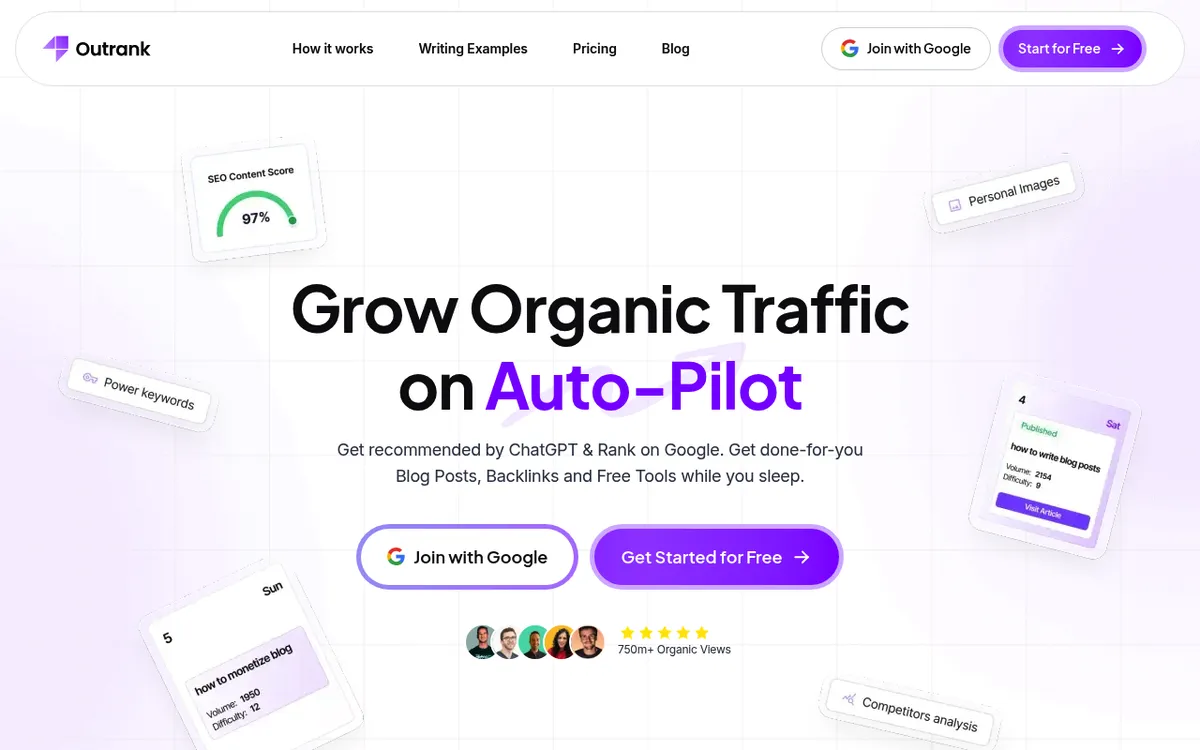
If you're hunting for an Outrank alternative, you probably don't hate Outrank — you've just hit the edge of what a single-purpose article generator does. Outrank.so turns keywords into published blog posts on autopilot, and it's good at that one job. The question most founders reach is what happens around that job: the research, the editorial control, the analytics, and the "did anyone check this before it went live" step.
Here's the short version. Outrank is article autopilot. Lunroo is a multi-stage workflow that runs the whole content loop on autopilot — research, draft, edit, optimize — with a human approval gate before anything ships. This piece gives Outrank a fair look, names where it stops for a founder, and shows how the full-pipeline approach compares.
Why founders look for an Outrank alternative
Outrank earns its fans. But a few recurring frictions push founders and indie hackers to compare options, and most of them are about scope and control, not raw output.
- It's one stage, automated. Outrank is built around generating and publishing articles. Keyword strategy, editorial review, and analytics either live elsewhere or get a lighter touch.
- Hands-off can mean hands-off too far. Full autopilot is the selling point, but a lot of founders want a look before a post goes public — especially when the copy makes product claims.
- Volume over voice. Bulk AI articles are fast, but if every post reads like generic AI output, you trade short-term traffic for long-term brand damage.
- Single-tool, single-job. When you're also tracking rankings, planning a calendar, and briefing topics, one more standalone tool is one more window to babysit.
None of that makes Outrank a bad ai seo tool. These frictions just show up more the moment content becomes a system instead of a firehose. If you're weighing several options at once, our roundups of the best AI tools for marketing and best content writing tools are a useful companion read.
What Outrank.so does well
Being fair here isn't politeness — it's how you make a good decision. If these strengths are exactly what you need, you may not need an alternative at all.
- Keyword-to-published on autopilot. Point it at a keyword and it drafts and publishes with minimal input. For a founder with zero time, that's real leverage.
- CMS integrations. Outrank pushes content straight to common platforms like WordPress and Webflow, so posts land without copy-paste.
- Speed and volume. If your plan is "publish a lot, fast," Outrank produces at a pace a solo founder can't match by hand.
- Simple setup. There's not much to configure, which is part of the appeal — it's close to set-and-forget.
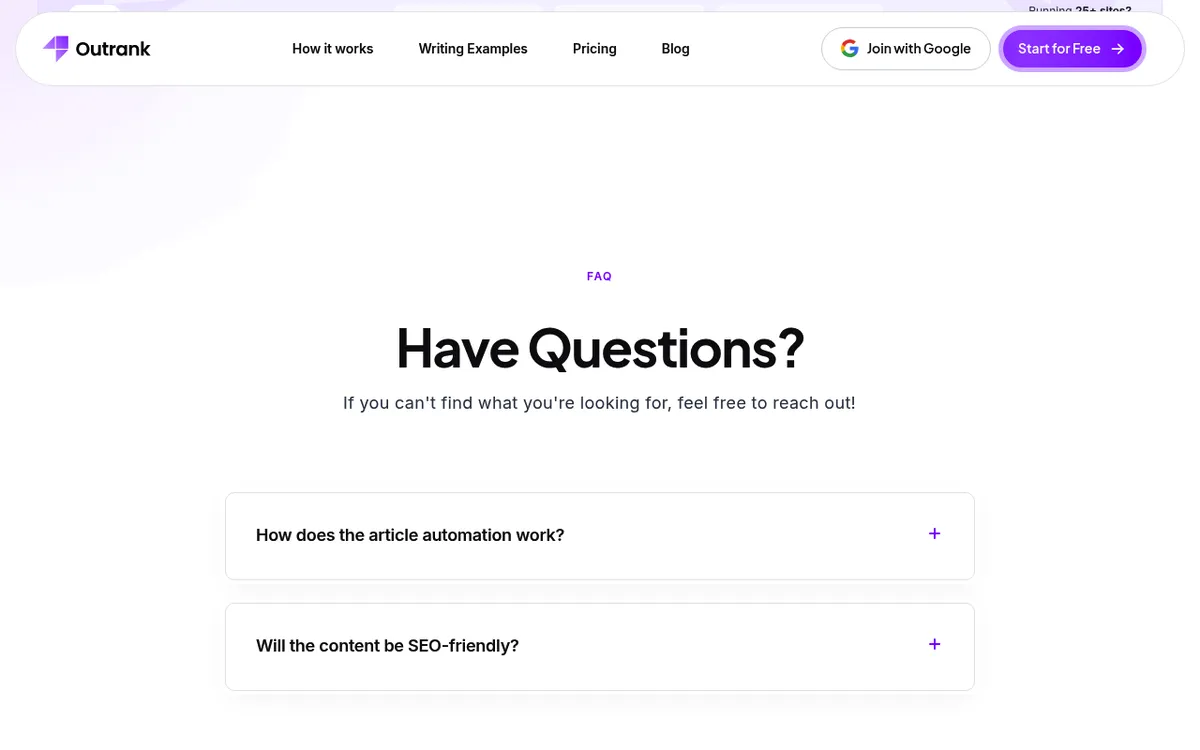
You can see the current lineup on Outrank's own site to compare specifics. Plenty of an outrank so review online lands in the same place: if the job is "generate and publish SEO articles with little oversight," it does that job.
Where Outrank leaves gaps for founders
The gaps aren't in what Outrank does — they're in what it leaves out. An article generator assumes you want volume with light oversight. For a founder building a brand, that assumption is where the trouble starts.
No real approval layer. Autopilot publishing is fast, but it also means AI copy can go live making claims you'd want to check first. When the post is about your product, "a human approved this" isn't a nice-to-have.
Brand voice is thin. Bulk generation tends toward generic. If your content sounds like everyone else's AI, it won't build the trust that turns a reader into a signup.
Research is shallow by design. Fast article generation isn't the same as digging into what's actually ranking and why. Solid keyword research is the front end of ranking, and a pure generator treats it as a checkbox.
The loop doesn't close. Publishing is the middle of a chain, not the end: pick the keyword, research the SERP, draft, edit, approve, publish, then track how it ranks and feed that back in. A generator handles the drafting-and-publishing middle. The analytics and strategy on either side still live in separate tools.
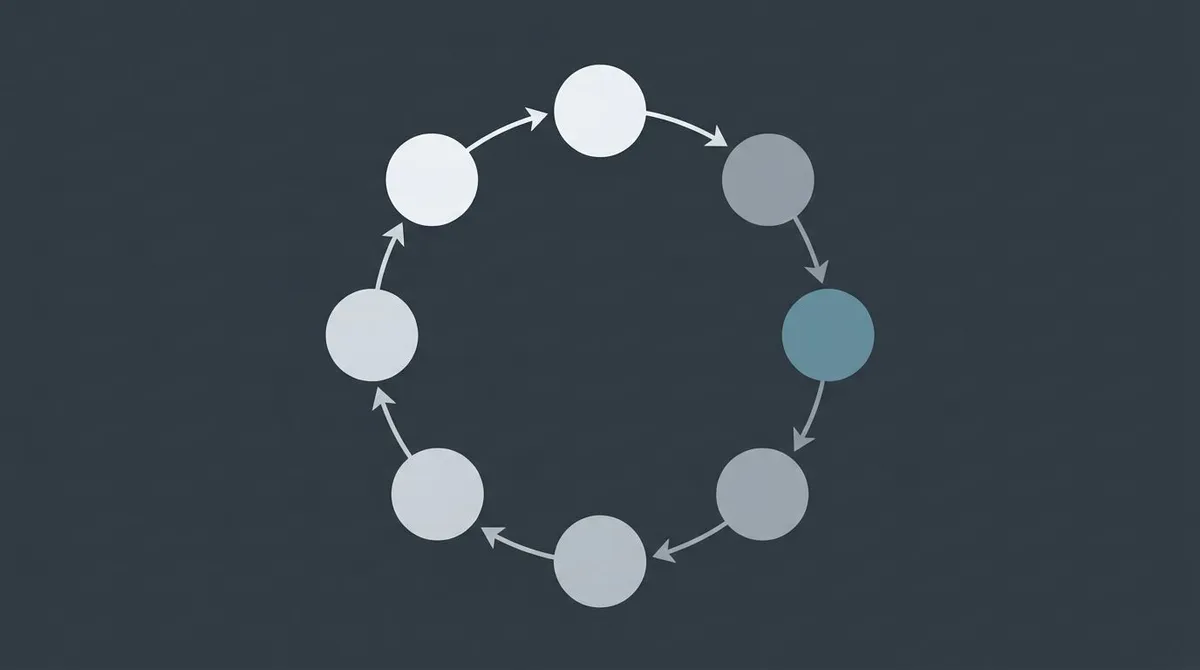
This is the difference between content automation and a content system. Outrank automates the writing-and-publishing stage. Founders shopping for an outrank alternative are often really shopping for the whole loop — with a say in it.
How Lunroo approaches the same problem differently
Lunroo isn't another single-job article generator. It runs the full content workflow end to end on autopilot, with a human approval gate before anything publishes.
Here's how the stages split:
- Research — keyword data, SERP analysis, and the questions worth answering.
- Drafting — the post written in your brand voice, structured around that research.
- Editing — tightening, fact-check prompts, and consistency.
- Publishing — the approved draft goes live, and the pipeline keeps moving so work doesn't stall between steps.
The key word is staged. Instead of a black box that spits out posts, each stage hands off to the next, and you step in at the approval point. Nothing ships without your sign-off — draft mode is the default, not an afterthought. If you want the mechanics, how AI agents automate marketing walks through the orchestration, and what are AI marketing agents covers the category these ai marketing agents belong to.
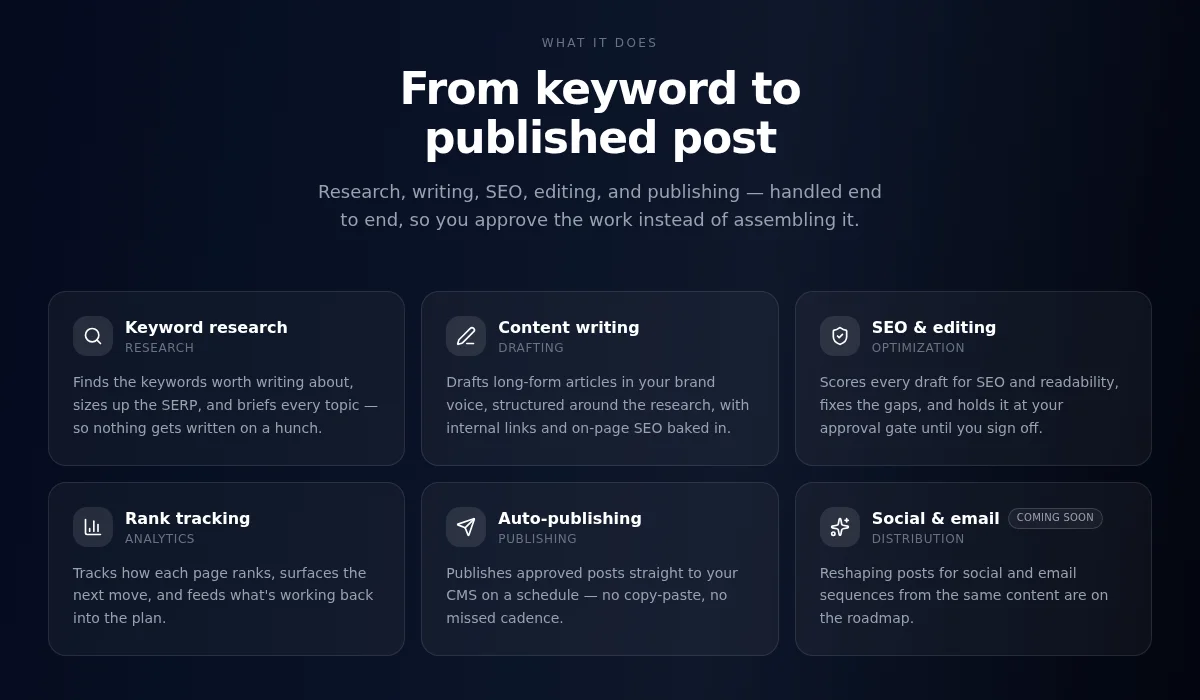
It's also Notion-native. Briefs, drafts, and approvals live in your Notion workspace — where most founders already plan — instead of in a separate dashboard you have to remember to check. Rank tracking and analytics are part of the platform too, so the loop from "publish" to "did it work" stays in one place.
Two honest notes: social scheduling and email campaigns are on the roadmap, not live yet. And there's no free tier — Lunroo is a paid product. More on cost below.
Outrank vs Lunroo: comparison table
Different tools, different jobs. This table is honest about both — Outrank is fast article autopilot, Lunroo is a controlled workflow.
| Lunroo | Outrank.so | |
|---|---|---|
| Primary model | Multi-stage content workflow (research → draft → edit → optimize) | Single-purpose AI article generator |
| Human approval | Draft-mode approval gate before publish | Autopilot publishing; light oversight |
| Brand voice | Trained on your voice per customer | Generic AI output; voice is thinner |
| Where content lives | Notion-native (plan and approve in Notion) | Its own dashboard + CMS push |
| Workflow scope | Full loop: research, write, edit, optimize, track | Generate and publish articles |
| Rank tracking & analytics | Included in the platform | Not the focus |
| Research depth | Distinct research stage before any drafting | Fast generation, lighter research |
| Best-fit user | Founder who wants a system with a sign-off step | Founder who wants max volume, hands-off |
The row that matters most is human approval. Outrank optimizes for "publish without me touching it." Lunroo optimizes for "do the work, then wait for my yes." Neither is universally better — they solve adjacent problems for different appetites for control.
If you're comparing across the category, our RankPill alternative and SEObot alternative breakdowns cover the other autopilot article tools founders shortlist next to Outrank.
Which tool is right for you
Let's break this down by who you are.
Choose Outrank if: you want maximum volume with minimal involvement, you're comfortable with AI copy going live without a review step, and brand voice is a secondary concern to sheer output. If your play is "flood the site with keyword-targeted posts and see what ranks," Outrank is a focused, fast answer.
Choose Lunroo if: you're a founder building a brand, you want research-to-draft handled as a pipeline rather than a one-shot generator, and you need an approval step so nothing publishes without a human saying yes. The Notion-native part matters most here — if you already plan in Notion, keeping briefs, drafts, and approvals there removes a whole layer of window-switching.
A quick gut check: if the thought of AI publishing product claims to your live site without review makes you wince, you want an approval gate, and a pure autopilot won't give you one. If you genuinely want hands-off volume and don't mind the tradeoffs, Outrank is a fair, focused pick.
Want to watch your next article get drafted end to end? Start with Lunroo — you'll see research, drafting, and editing run the loop before you approve anything. For the bigger picture on putting your pipeline on autopilot without giving up control, how AI agents automate marketing and our content automation guide are the places to go.
FAQ
Is there a free Outrank alternative?
Several AI article tools offer limited free tiers or trials, so if "free" is the hard requirement, those are your starting point. Lunroo doesn't have a free tier — it's a paid product with the whole content pipeline, tool credits, and LLM tokens included. For the current numbers, see pricing as the source of truth rather than a figure that ages badly.
Does Lunroo replace Outrank.so?
For most founders, yes — Lunroo covers the research, drafting, and publishing that Outrank does, then adds the editing, approval, and analytics Outrank leaves out or keeps light. If you specifically want maximum hands-off volume and don't care about a review step, Outrank is a focused fit. Lunroo is the better call when you want a system you can steer.
Will AI content from an autopilot tool hurt my SEO?
It can, if it's thin or generic and published without review. Google rewards helpful, original content in its helpful content guidance, and floods of low-effort AI posts are exactly what that guidance warns against. The safer path is research-backed drafts with a human approval step — which is why Lunroo defaults to draft mode. Our guide on how to write SEO content covers what "helpful" actually means in practice.
Is Lunroo good for founders and indie hackers?
That's exactly who it's built for. The automated content workflow gives a solo founder the output of a small marketing team without the headcount, and the draft-mode approval gate keeps brand voice and accuracy under your control. You get leverage without giving up the sign-off. Our content marketing for startups guide goes deeper on the founder playbook.
Does Lunroo work with Notion?
Yes — Lunroo is Notion-native. Briefs, drafts, and approvals live in your Notion workspace, so you work where you already plan instead of in a separate dashboard. If your content calendar already lives in Notion, this is the part that saves the most day-to-day friction.
How much does Lunroo cost?
Lunroo is one paid plan, month-to-month, cancel anytime, with the full content workflow, tool credits, LLM tokens, brand voice, and analytics included. Prices change, so check pricing for the current figure rather than trusting a number in a blog post.