How AI Agents Automate Your Entire Marketing Stack
Marketing has always been a game of doing many small things consistently: publishing content, tuning pages for search, showing up on social, and following up over email. The work isn't hard so much as relentless. That's exactly the kind of work autonomous AI agents are built for.
This post breaks down how an AI-agent marketing stack actually works, what each agent is responsible for, and where you — the human — stay firmly in control.
## What is an AI marketing agent?An AI agent is an autonomous program that pursues a goal, not just a single prompt. Where a chatbot answers one question at a time, an agent plans a sequence of steps, uses tools (a CMS, an analytics API, a keyword database), checks its own results, and adjusts. You set the objective — "grow organic signups from our blog" — and the agent figures out the tasks.
The key difference from a normal automation is judgment. A scheduled script posts whatever you queued. An agent decides what to post, when, and why, based on what's working.
The four agents that run a marketing stack
Most of the day-to-day marketing motion maps cleanly onto four specialized agents that coordinate with each other.
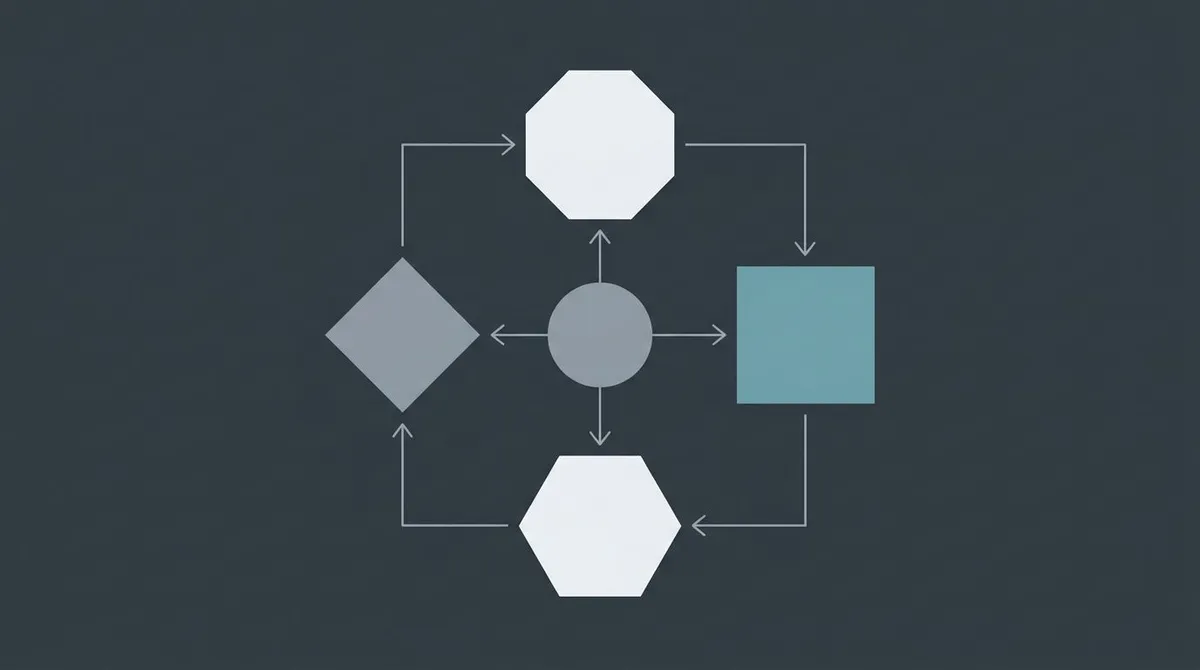
| Agent | What it owns | Human checkpoint |
|---|---|---|
| Content | Drafts posts, landing pages, ad copy | Approve tone & claims |
| SEO | Keyword research, on-page optimization, internal links | Approve target keywords |
| Social | Schedules and adapts posts per platform | Approve brand voice |
| Segments lists, writes sequences | Approve offers |
Content agent
The content agent turns a brief into a finished draft — researched, structured, and written in your brand voice. It pulls the outline from what already ranks, fills gaps competitors missed, and formats for readability. You review the draft, not a blank page.
SEO agent
The SEO agent works the unglamorous parts: finding keywords with real intent, checking that pages actually target them, fixing thin metadata, and wiring up internal links so authority flows to the pages that matter. It tracks rankings and reopens pages that slip.
The best SEO work is boring and continuous. That's precisely why handing it to an agent pays off — it never gets bored.
Social and email agents
The social agent reshapes one idea into the native format of each platform — a thread, a short post, a carousel caption — and schedules around when your audience is active. The email agent segments your list and drafts sequences that move a reader from first touch to signup, then reports which messages actually converted.
Where humans stay in the loop
Automation without oversight is how brands end up apologizing. A good agent stack keeps you in control at three points:
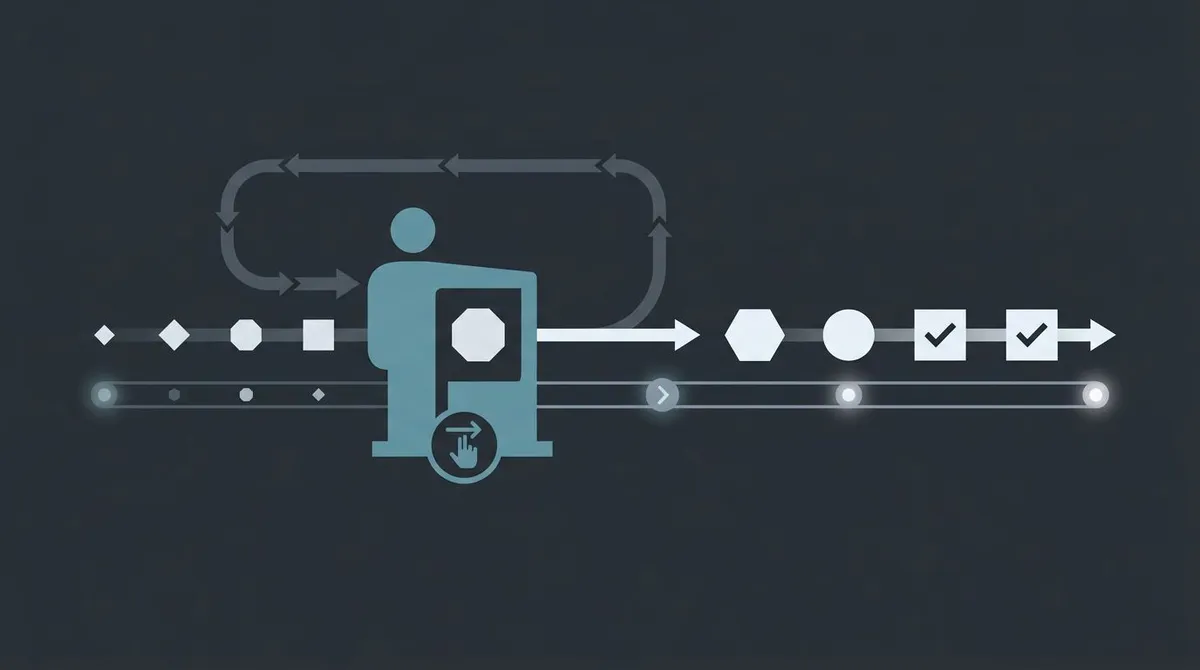
- Strategy — you set goals, audience, and budget. Agents execute against them.
- Approval — set any agent to draft mode so nothing publishes without a click.
- Escalation — when an agent is uncertain (a sensitive claim, a big spend), it asks instead of guessing.
The result is leverage, not abdication. You make the decisions that need taste and accountability; the agents do the volume.
How to get started
You don't need to automate everything on day one. A sensible rollout:
- Connect your workspace and content sources.
- Turn on one agent — usually content or SEO — in draft mode.
- Review its output for a week and correct its voice.
- Once you trust it, let it publish, then add the next agent.
Momentum compounds. Two months in, the agents have learned your voice, your best-performing topics, and your conversion patterns — and the stack starts to feel like a teammate rather than a tool.
FAQ
Do AI agents replace marketers?
No. They replace the repetitive execution work. Strategy, taste, brand judgment, and relationships stay human. In practice a small team with an agent stack ships like a much larger one.
Can I review content before it goes live?
Yes. Every agent can run in draft mode, where it prepares work and waits for your approval. You can graduate individual agents to auto-publish once you trust their output.
What tools do the agents connect to?
Agents connect to the systems you already use:
- A CMS or publishing target, like WordPress, Webflow, or your own site
- An analytics source for performance data
- A keyword and SEO data provider
Lunroo connects to your Notion workspace so agents can plan, draft, and publish in one place.
How is this different from ChatGPT?
ChatGPT is a general assistant you prompt one task at a time. An agent stack is goal-driven: agents plan multi-step work, use tools, coordinate with each other, and run continuously without you re-prompting.